Technology is advancing faster than ever, impacting every aspect of our lives. From artificial intelligence (AI) to cloud computing, 5G, the Internet of Things (IoT), and blockchain, innovations are reshaping industries, businesses, and personal experiences. Staying up-to-date with these trends is crucial for individuals and organizations looking to stay competitive in 2025.
This article explores the top technology trends, their benefits, and their role in shaping the future.
Artificial Intelligence: Driving Smarter Solutions
Artificial Intelligence has emerged as a transformative technology, capable of analyzing data, recognizing patterns, and making decisions faster than humans.
- Healthcare: AI assists in early diagnosis, robotic surgeries, and personalized treatment plans.
- Business: Companies leverage AI chatbots and predictive analytics to improve customer engagement and optimize operations.
- Education: Adaptive learning platforms provide customized learning experiences for students.
Experts predict that AI could contribute over $15 trillion to the global economy by 2030, highlighting its critical role in the digital era.
Cloud Computing: Enabling Digital Transformation
Cloud computing allows businesses to store and process data efficiently without relying on physical servers.
- Scalability: Businesses can adjust computing resources according to demand.
- Collaboration: Teams can work remotely in real-time using cloud platforms.
- Cost Savings: Reduces infrastructure and maintenance expenses.
Providers like AWS, Microsoft Azure, and Google Cloud empower organizations to modernize operations and maintain competitiveness.
5G Networks: Revolutionizing Connectivity
The rollout of 5G technology is redefining global connectivity. With ultra-fast speeds and low latency, 5G enhances experiences across multiple sectors.
- Entertainment: Smooth streaming, immersive gaming, and virtual reality experiences.
- Healthcare: Enables telemedicine and remote surgeries with minimal delay.
- Smart Cities: Real-time monitoring of traffic, energy, and security systems improves urban living.
By 2030, billions of devices are expected to rely on 5G networks, further accelerating innovation.
Internet of Things (IoT): Creating Smart Environments
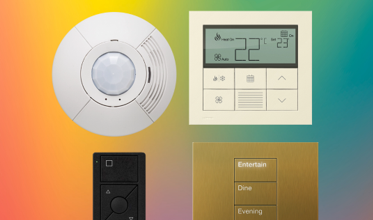
The Internet of Things connects everyday devices, allowing homes, workplaces, and cities to operate smarter and more efficiently.
- Smart Homes: Remotely control lighting, appliances, and security systems.
- Healthcare: Wearable devices monitor health metrics such as heart rate and sleep patterns.
- Smart Cities: IoT sensors optimize traffic, energy, and waste management.
Experts predict over 30 billion IoT devices will be connected globally by 2030, making IoT central to modern living.
Cybersecurity: Safeguarding the Digital World
As technology evolves, cyber threats are becoming more sophisticated. Cybersecurity is critical for protecting sensitive data and maintaining trust.
- AI-Driven Security: Detects and prevents cyberattacks in real-time.
- Encryption: Secures communication and transactions from unauthorized access.
- User Awareness: Educating users reduces risks from phishing, malware, and identity theft.
With cybercrime projected to cost trillions annually, robust cybersecurity strategies are essential for both businesses and individuals.
Blockchain: Beyond Cryptocurrency
Blockchain technology provides secure and transparent digital solutions far beyond cryptocurrency applications.
- Finance: Enables secure and efficient transactions.
- Supply Chain: Tracks products from production to delivery, reducing fraud.
- Healthcare: Protects sensitive medical records from unauthorized access.
The rise of Web3 and decentralized applications (dApps) demonstrates blockchain’s growing significance in the modern economy.
Green Technology: Innovation for a Sustainable Future
Green technology combines innovation with environmental responsibility.
- Renewable Energy: Solar, wind, and hydroelectric power reduce reliance on fossil fuels.
- Electric Vehicles (EVs): Provide clean transportation alternatives.
- Smart Energy Grids: AI-driven systems optimize energy consumption and minimize waste.
Green technology proves that progress can coexist with sustainability, supporting both economic growth and environmental protection.
Emerging Technologies to Watch
In addition to current trends, several emerging technologies are set to redefine industries in the near future:
- Quantum Computing: Offers unprecedented computational power for complex problems.
- Metaverse: Creates immersive digital environments for work, education, and entertainment.
- Biotechnology: Advances in genetics enhance healthcare, agriculture, and food security.
- Artificial General Intelligence (AGI): Machines capable of human-level reasoning and decision-making.
These innovations have the potential to transform industries, economies, and lifestyles over the next decade.
Conclusion
Technology in 2025 is more than convenience—it is a driving force for progress. AI, cloud computing, 5G, IoT, blockchain, and green technology are reshaping industries, business processes, and daily life. Cybersecurity ensures safety and trust, while emerging technologies such as quantum computing, biotechnology, and the metaverse promise further advancements.
For businesses, embracing these technologies is key to competitiveness and growth. For individuals, staying updated means smarter living and better opportunities. Ultimately, technology is not just shaping the future—it is defining it.